



About Us
Centers For Living is more than housing, we are a pathway toward stability, connection, and a new beginning.
We serve people facing homelessness, recovery, behavioral health challenges, reentry after incarceration, and other barriers to stability. We understand that these challenges rarely exist on their own. Housing can affect health. Health can affect employment. Recovery can depend on environment, relationships, access to care, and having the right support at the right time.

This support can be especially important for people transitioning from incarceration back into the community, where gaps in housing, healthcare, employment, and recovery services can make rebuilding difficult.
At Centers For Living, we believe providing a roof is important, but a roof alone isn't always enough. People need structure. They need resources. They need accountability. They need community. And sometimes, they simply need someone willing to meet them where they are and help them take the next step.
That's who we are.
We meet people in the middle of life's hardest transitions and help bring the pieces together, providing the housing, care, support, and community needed to move toward greater independence and a life of lasting stability.
At the heart of what we do is the belief that even the hardest chapters of life can become part of something greater. Romans 8:28 reminds us, “And we know that for those who love God all things work together for good, for those who are called according to his purpose.”
Whether you are a person of faith or not, you are welcome here. We believe every person deserves to be met with dignity, compassion, and genuine care. We see lives change when hardship gives way to healing, uncertainty begins to turn into stability, and what once felt broken becomes the beginning of something new.
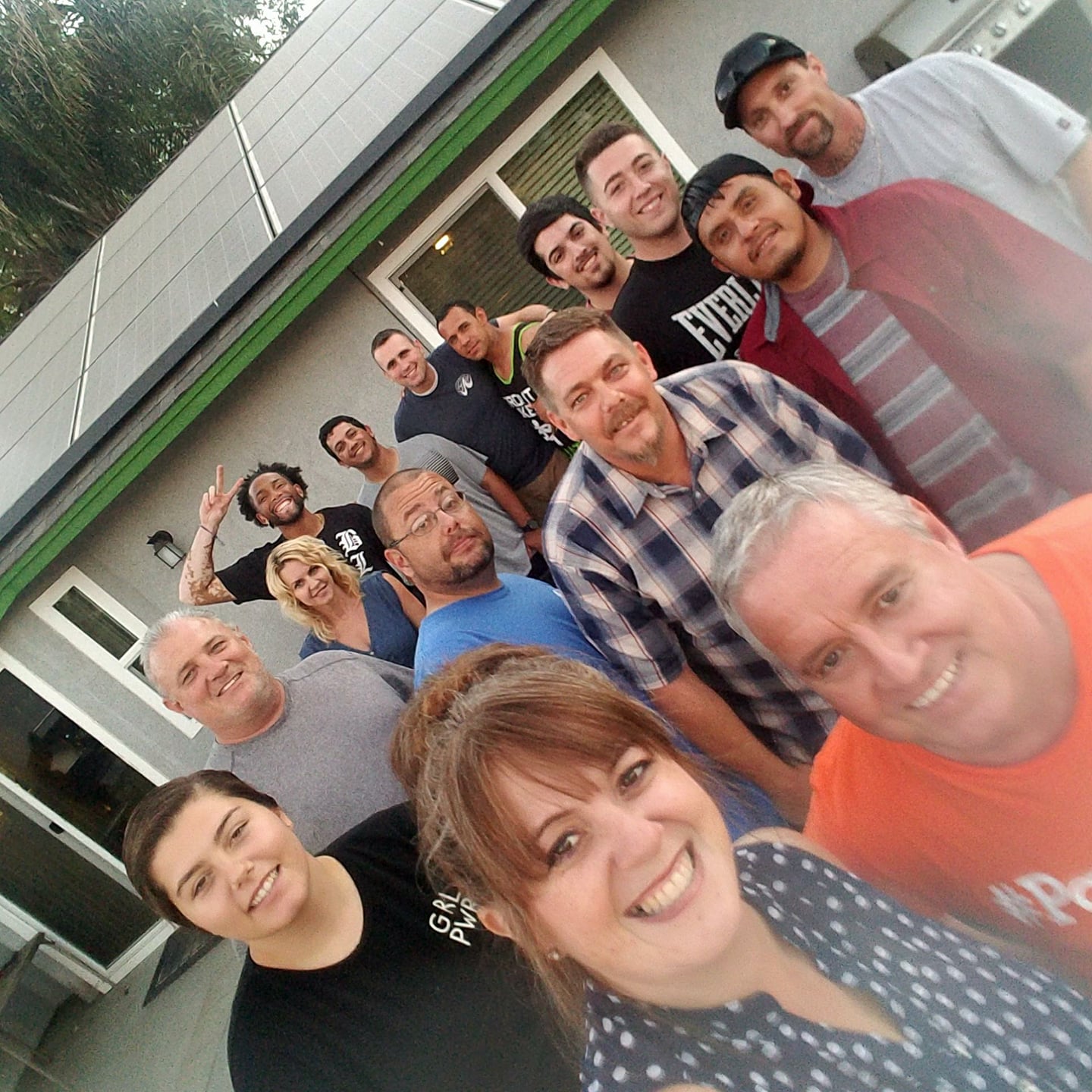
We have the privilege of walking alongside people through that process, loving them, serving them, and helping them move forward with hope and purpose.
Love All. Serve All.

That's why our approach looks at the whole person.
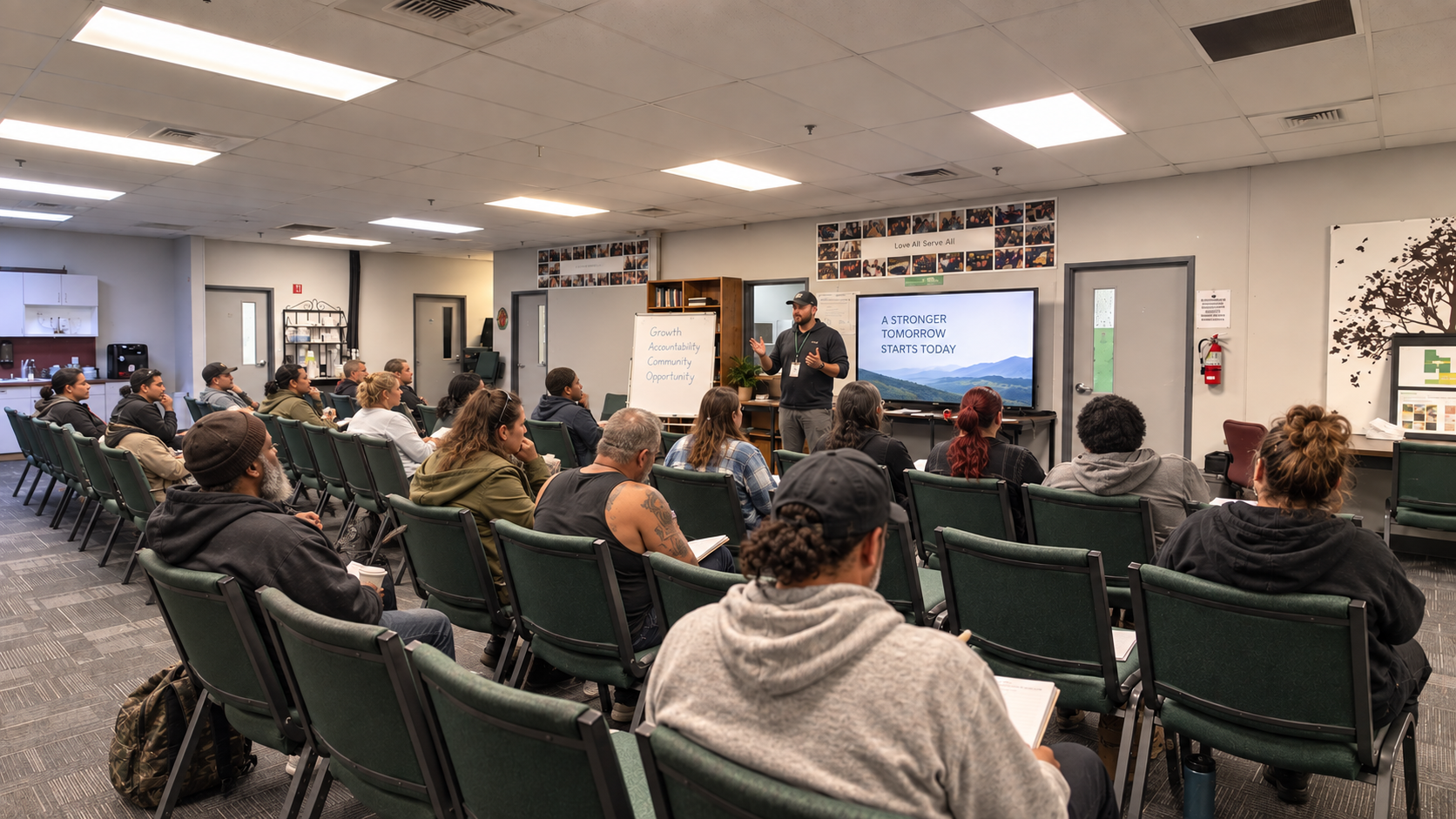
Through transitional housing, recuperative care, recovery support, case management, life skills, workforce readiness, and community connection, we help people address the barriers standing between where they are and where they want to be. As an Enhanced Care Management (ECM) provider within California’s Medi-Cal system, we can also help eligible members coordinate physical health, behavioral health, substance-use treatment, social services, and other resources that contribute to long-term stability.
4,905 WITHOUT
A HOME
Thousands of people were experiencing homelessness across Fresno & Madera Counties in the latest HUD-validated 2025 PIT Count.
Source: Fresno - Madera Continuum of Care - PIT Count
34% LESS LIKELY
TO REOFFEND
Men participating in California’s community reentry programs were 34% less likely to reoffend, demonstrating the impact of structured reentry support.
Source: California Department of Corrections and Rehabilitation, 2025
31% FACE SERIOUS MENTAL ILLNESS
Nearly 1 in 3 people experiencing homelessness in Fresno & Madera reported a serious mental illness.
Source: Fresno-Madera Continuum of Care, 2025 PIT Count

“I was homeless for four years and never knew services like ECM were available to me. If someone had reached out the way Centers For Living does today, I would have gotten help much sooner.”
Matt Ribera
Director of Impact & Partnerships

"I’m here at CFL because I know what it’s like to struggle, and I want to be a source of hope and support for others. I’m passionate about helping people find resources, get connected to services, and know that they are not alone."
Crystal Brown
Access Coordinator

"Centers for Living helped me find my purpose by giving me the opportunity to help others who are struggling with addiction the same way I once did. Being able to use what I’ve been through to support others and give back has given my experiences a greater purpose."
Daniel Zolghadri
House Manager/Employment Specialist

How Enhanced Care Management Works

Enhanced Care Management (ECM) is a statewide Medi-Cal benefit created through CalAIM, California’s initiative to provide more coordinated, whole-person care for people with complex health and social needs. ECM connects eligible members with a dedicated care manager who helps coordinate medical care, behavioral health, housing-related needs, recovery services, transportation, benefits, and other community resources. Centers For Living is contracted within the Medi-Cal managed care system to provide ECM services, allowing our team to work directly with eligible members to assess their needs, develop individualized care plans, connect them to services, and provide ongoing support toward greater health and stability.
We explain ECM, answer your questions, and get your permission to begin services.
1. CONSENT
2. ASSESSMENT
We learn about your health, housing, behavioral health, daily needs, and the challenges you may be facing.
3. CARE PLAN
Together, we create a personalized plan that identifies your goals, needs, and the services that can help you move forward.
Your care team connects you with healthcare, behavioral health, housing, benefits, transportation, employment, and other needed resources.
4. CARE COORDINATION
5. ONGOING SUPPORT
We stay connected, help you navigate barriers, follow up on services, and make sure your care continues moving forward.
6. PROGRESS & TRANSITION
As you reach your goals and gain stability, we help prepare you to successfully transition from ECM with continued connections to the support you need.
40%
Housing & Basic Needs
Housing operations, food, utilities, transportation, clothing, supplies, and other essential needs.
8%
Growth & Development
Development and expansion of programs, facilities, equipment, and new opportunities to serve the community.
Where Your Support Goes
We believe in transparency and want our donors, funders, and community partners to clearly understand how resources support our mission.
Personnel costs are included within each category based on the programs, services, and organizational functions those team members support.
30%
Recovery & Client Care
Case management, peer support, recovery services, care coordination, behavioral health support, and direct client services.
5%
Community Engagement
Community outreach, partnerships, donor engagement, fundraising, communications, and awareness.
12%
Employment & Independence
Workforce development, employment assistance, reentry support, education, life skills, and resources that promote independence.
5%
Administration
Finance, HR, compliance, insurance, technology, and the organizational infrastructure necessary to operate responsibly.